
GUTTERS, SOFFIT, AND FASCIA: THE PARTS OF YOUR ROOF SYSTEM EVERYONE FORGETS
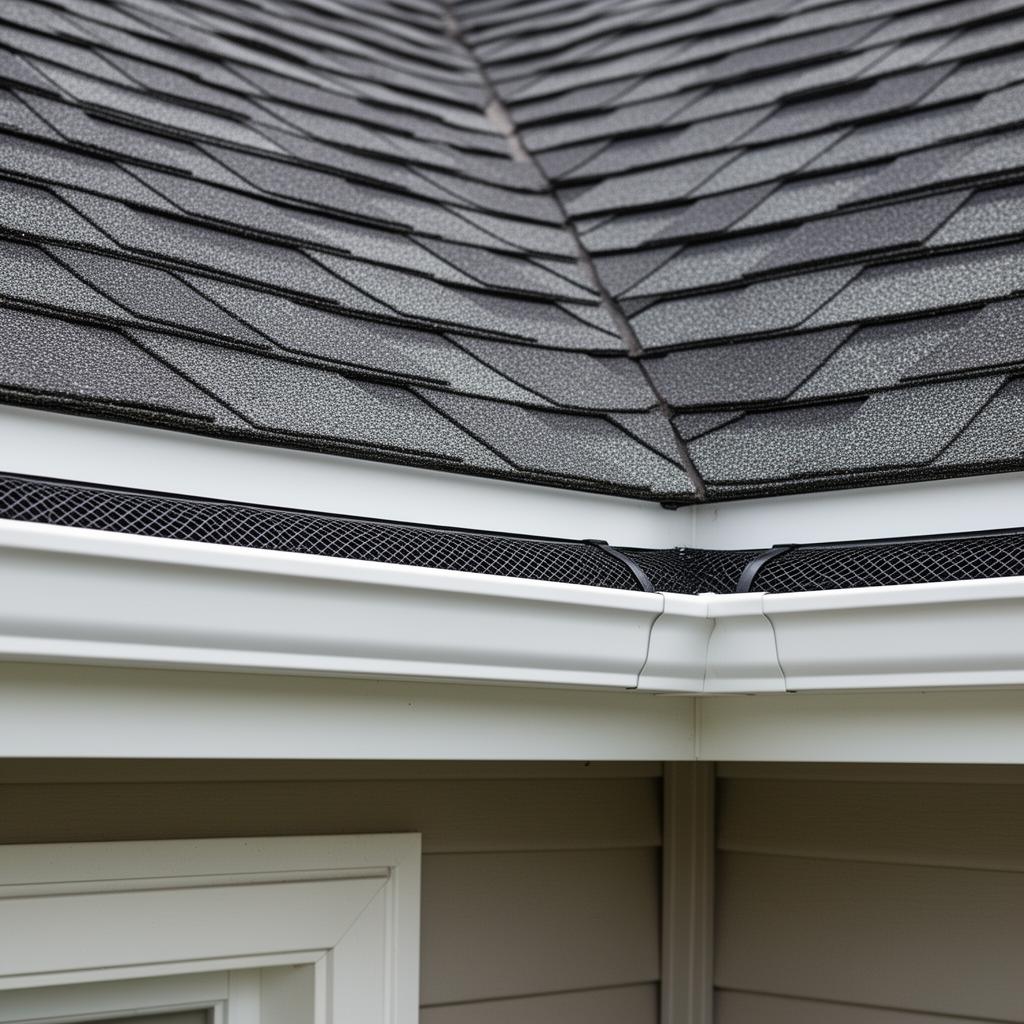
When people think about their roof, they think about shingles. That's fair, the shingles are the big, visible part. But the shingles are only half the job. The other half is happening at the edges of your roof, in three parts most homeowners couldn't name: the gutters, the fascia, and the soffit.
These are the pieces that manage water and protect the edges of your roof, and they're almost always the first place trouble starts. When they fail, they don't fail loudly. They let water into places you can't see until the damage is done.
Here's the plain-English rundown of what each one does, why it matters more than people think, and how to tell when it needs attention.
YOUR ROOF IS A SYSTEM, NOT JUST A LAYER OF SHINGLES
A roof only works if every part works together. Shingles shed water down the slope. The edge system, gutters, fascia, soffit, takes that water and moves it away from your house, while sealing and protecting the vulnerable spots where the roof meets the walls.
Break one part and the rest can't do its job. Water that isn't carried away properly finds its way somewhere it shouldn't be. That's why a great shingle roof with a failing edge system still ends up with problems. The parts nobody thinks about are the ones holding the line.
GUTTERS, MOVING WATER AWAY FROM WHERE IT CAN HURT YOU
Gutters have one job: catch the water coming off your roof and route it away from your foundation, your siding, and the edges of your roof.
It sounds minor. It isn't. When gutters clog, sag, or pull loose, water spills over and runs straight down the side of your house or pools around the base. Over time that leads to the expensive kind of damage, fascia rot, foundation issues, water in places that invite mold. Oklahoma's heavy downpours and tree debris make this worse; gutters here have to handle a lot of water fast, and they clog when leaves and grit pile up.
Clean, correctly-sized, properly-pitched gutters are quiet heroes. You never think about them when they're working. You think about them a lot when they're not.
FASCIA, THE BOARD THAT HOLDS IT ALL TOGETHER
The fascia is the horizontal board that runs along the edge of your roof, right behind the gutters. It's the board your gutters are attached to, and it's the finished edge you see when you look up at the roofline.
Fascia does two things: it gives the gutters something solid to hang from, and it seals off the edge of the roof structure from weather and pests. When fascia rots, usually because a failing gutter has been dumping water on it, the gutters lose their anchor and the edge of your roof structure is suddenly exposed. Soft, peeling, or discolored fascia is one of the clearest signs that water has been getting somewhere it shouldn't.
SOFFIT, THE QUIET PART DOING IMPORTANT WORK
The soffit is the underside panel that tucks up under the roof's overhang, the part you see if you stand under the edge of your roof and look up. It closes off the gap between the roof edge and the wall.
Soffit does more than most people realize. It seals the underside of your roof against water and pests, a gap in the soffit is an open invitation for birds, squirrels, wasps, and moisture. And in many homes, vented soffit is part of how your attic breathes, pulling cooler air up under the roof to help the whole system handle Oklahoma heat. Damaged or missing soffit doesn't just look bad; it can let critters into your attic and throw off how your roof ventilates.
WHAT OKLAHOMA WEATHER DOES TO THE EDGE SYSTEM
The same forces that age your shingles work on the edges too.
Heavy rain overwhelms undersized or clogged gutters and drives water at the fascia and soffit. Wind pulls at gutters and can tear soffit and fascia loose. Sun and temperature swings dry out and crack older materials over time. And Oklahoma's tree canopy drops a steady load of leaves and debris that clogs gutters and traps moisture right against the fascia, which is exactly how that board starts to rot.
None of this is dramatic on any single day. It's the slow accumulation that gets people, because the edge system is easy to ignore until it's obviously failing.
SIGNS YOUR GUTTERS, SOFFIT, OR FASCIA NEED ATTENTION
You can catch most of these from the ground:
Gutters that sag, pull away from the house, or overflow during rain. Water marks or streaks running down your siding below the gutters. Fascia boards that look soft, peeling, discolored, or rotted. Soffit panels that are cracked, sagging, stained, or have visible gaps. Signs of birds, wasps, or squirrels getting up under the roof edge. And peeling paint or moisture stains near the roofline.
Any of these is worth a closer look before it turns into water in the structure. Small problems at the edge of a roof have a way of becoming big problems inside the house.
WHY THIS IS PART OF THE SAME CONVERSATION AS YOUR ROOF
Because it's all one system, the edge components are best looked at together with the roof itself, not as a separate afterthought. If you're getting your roof inspected, this is the moment to have the gutters, fascia, and soffit checked too. It's the same access, the same trip, and it's where a lot of hidden trouble lives.
It also connects to the rest of your home's exterior. Your soffit and fascia sit right where the roof meets your siding, and a weakness in one often lets water toward the next. Looking at the whole edge together is how you catch a small issue before it spreads.
HOW FIREHOUSE APPROACHES THE EDGE SYSTEM
We treat the edges the way we treat the whole roof: an honest look first, and straight answers about what actually needs doing.
When we inspect a roof, we look at the gutters, soffit and fascia too, because that's where a lot of problems start and where they're easiest to catch early. If a section of fascia is rotting or a run of gutter is pulling loose, we'll show you the photos and tell you plainly what it needs. If it's fine, we'll tell you that.
Our gutter work carries a 5-year workmanship warranty, and our soffit and fascia work carries a 2-year workmanship warranty. And if cost is part of the decision, we work with Enhancify, our financing partner, who can show you what's available for your situation.
THE BOTTOM LINE
Gutters, soffit, and fascia are the parts of your roof nobody thinks about, right up until water gets somewhere it shouldn't. They do the quiet work of moving water away and sealing the edges, and in Oklahoma's weather they take a real beating.
You don't have to do anything dramatic. You just want to know what shape they're in, ideally at the same time you're looking at your roof, since it's all one system.
GET THE WHOLE ROOF SYSTEM CHECKED
Not sure what shape your gutters, soffit, or fascia are in? Let's take a look at the whole roof system, edges included.
We're FireHouse Roofing Co., firefighter-owned and operated, right here in Broken Arrow. We've completed over 2,400 roofs, we're BBB A+ rated, and we hold a 4.9 Google rating across 300+ reviews. Our inspections are free, photo-documented, and there's no pressure at the end of them.
Schedule your free 21-point roof inspection, or call your local Broken Arrow roofing company at 918-928-9975.
FireHouse Roofing Co., The Good Guys of Roofing.
803 N Elm Pl, Broken Arrow, OK 74012 · OK CIB Reg #80003595 · $1M general liability